
Joost Van Den Vondel eBooks
eBooks di Joost Van Den Vondel Letteratura teatrale
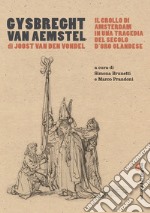
Gysbreght van Aemstel: Il crollo di Amsterdam in una tragedia del secolo d'oro olandese. E-book. Formato PDF Joost Van Den Vondel - Edizioni Di Pagina, 2019 -
In una notte di Natale intorno al 1300, Amsterdam viene conquistata con l’inganno. Dopo un lungo assedio, i nemici, fedeli al Conte d’Olanda Floris V, hanno finto di partire, riuscendo a far entrare dentro le mura una nave colma di soldati: il Cavallo di Mare. A nulla vale l’eroica difesa di Gijsbreght van Aemstel, signore della città. L’angelo Raffaele gli impone di prendere la via dell’esilio, lenendo il dolore dell’addio con la profezia della futura grandezza di Amsterdam: il Secolo d’Oro del pubblico in sala. La sala è quella del primo teatro in pietra della Repubblica delle Province Unite, lo Schouwburg di Jacob van Campen, inaugurato proprio con la tragedia Gysbreght van Aemstel di Joost van den Vondel il 3 gennaio 1638, nonostante la resistenza del concistoro calvinista della città, ostile ai rituali cattolici nella messinscena. Modelli tragici ed epici – in primis l’Eneide – vengono convocati in un’opera tutt’altro che encomiastica. Nel consesso teatrale gli abitanti di Amsterdam, città imperatrice dei mari che si avvia allo zenith della propria potenza, vengono invitati a riflettere in modo complesso e problematico su luci e ombre del passato: non solo quello lontano della contea d’Olanda medievale, ma anche quello più prossimo della Rivolta contro la Spagna e della Riforma protestante, come le stragi di religiosi cattolici che vengono attualizzate in terribili scene di martirio. La tragedia ha conosciuto una fortuna secolare, divenendo appuntamento fisso del capodanno per la popolazione di Amsterdam. Oltre alla prima traduzione italiana e a studi interpretativi, se ne offre l’edizione critica, comprensiva della versione messa a stampa nel 1729, che accoglieva la prassi teatrale dell’epoca. La tradizione spettacolare, interrotta con il cambiamento dei repertori nel 1969, è stata rinnovata dal 2012 al 2014 e nel 2016 dalla compagnia Het Toneel Speelt di Ronald Klamer: un allestimento significativo che ha dato l’avvio al nostro progetto e che qui presentiamo.
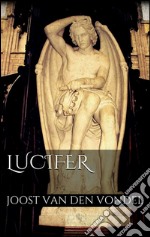
Lucifer. E-book. Formato EPUB Joost Van Den Vondel - Simone Vannini, 2016 -
It has become a matter of literary tradition, in Holland and out of it, that the choral drama of "Lucifer" is the great masterpiece of Dutch literature. The Dutch critics, however, are by no manner of means unanimous in this opinion. In point of fact, it has been assigned by some a place relatively subordinate among the works of this "Dutch Shakespeare," as they are fond of calling Vondel at home. No other one, however, in the long list of his dramas and poems, from the "Pascha" of 1612 to his last translations of 1671, the beginning and the end of a literary career, in which one of the greatest of Dutch writers on its history has pronounced the poetry of the Netherlands to have attained its zenith, will, none the less, so strongly appeal to us, outside of Holland, as does the "Lucifer." Vondel's tragedy "Gysbreght van Amstel" may have found far greater favor as a drama, and the poet may possibly in his lyrics have risen to his greatest height; but neither the one nor the other, in spite of this, can have such supreme claims upon our attention.
Lucifer. E-book. Formato Mobipocket Joost Van Den Vondel - Simone Vannini, 2016 -
It has become a matter of literary tradition, in Holland and out of it, that the choral drama of "Lucifer" is the great masterpiece of Dutch literature. The Dutch critics, however, are by no manner of means unanimous in this opinion. In point of fact, it has been assigned by some a place relatively subordinate among the works of this "Dutch Shakespeare," as they are fond of calling Vondel at home. No other one, however, in the long list of his dramas and poems, from the "Pascha" of 1612 to his last translations of 1671, the beginning and the end of a literary career, in which one of the greatest of Dutch writers on its history has pronounced the poetry of the Netherlands to have attained its zenith, will, none the less, so strongly appeal to us, outside of Holland, as does the "Lucifer." Vondel's tragedy "Gysbreght van Amstel" may have found far greater favor as a drama, and the poet may possibly in his lyrics have risen to his greatest height; but neither the one nor the other, in spite of this, can have such supreme claims upon our attention.