
Daniel Defoe eBooks
eBooks di Daniel Defoe editi da Anna Ruggieri di Formato Mobipocket
Nato a Stoke Newington (Londra) nel 1660 e morto a Moorfields nell'aprile del 1731, dedicò gran parte della vita agli affari e solo per ripagare i debiti accumulati, cominciò in età matura l’attività di scrittore. Esordì come saggista di economia, dimostrandosi in anticipo sui tempi nel sostenere la necessità di creare organismi, quali una banca centrale e un sistema pensionistico, oggi cruciali nel funzionamento dello Stato.
Rinchiuso in carcere con l’accusa di aver diffamato in un saggio la Chiesa d’Inghilterra (La via più breve per i dissenzienti), nel 1719 pubblicò il suo capolavoro, Robinson Crusoe, ispirato alla reale vicenda di un marinaio naufragato su un’isola al largo del Cile. Accolto da un ottimo riscontro di pubblico, il libro è considerato, insieme al Don Chisciotte, una delle prime forme di romanzo moderno, ed è talmente diffuso nel mondo, da vantare il maggior numero di edizioni dopo la Bibbia.
Autore di un secondo romanzo Fortune e sfortune della famosa Moll Flanders (fonte d’ispirazione per numerosi film), Defoe fu apprezzato anche come giornalista e fondatore della rivista The Review, considerata una pietra miliare nella storia del giornalismo.
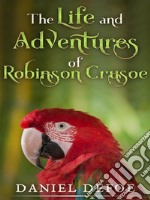
The Life and Adventures of Robinson Crusoe. E-book. Formato Mobipocket Daniel Defoe - Anna Ruggieri, 2017 -
Robinson Crusoe /?r?b?ns?n 'kru?so?/ is a novel by Daniel Defoe that was first published in 1719. Epistolary, confessional, and didactic in form, the book is a fictional autobiography of the title character—a castaway who spends 28 years on a remote tropical island near Trinidad, encountering cannibals, captives, and mutineers before being rescued.The story was perhaps influenced by Alexander Selkirk, a Scottish castaway who lived for four years on the Pacific island called "Más a Tierra" (in 1966 its name was changed to Robinson Crusoe Island), Chile. The details of Crusoe's island were probably based on the Caribbean island of Tobago, since that island lies a short distance north of the Venezuelan coast near the mouth of the Orinoco river, in sight of Trinidad. It is also likely that Defoe was inspired by the Latin or English translations of Ibn Tufail's Hayy ibn Yaqdhan, an earlier novel also set on a desert island. Another source for Defoe's novel may have been Robert Knox's account of his abduction by the King of Ceylon in 1659 in "An Historical Account of the Island Ceylon," Glasgow: James MacLehose and Sons (Publishers to the University), 1911. Although inspired by a real life event, it was the first notable work of literature where the story was independent of mythology, history, legends, or previous literature.