
Franco Fassio eBooks
eBooks di Franco Fassio editi da Edizioni Ambiente
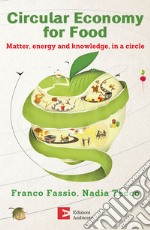
Circular economy for food: Matter, energy and knowledge, in a circle. E-book. Formato PDF Franco Fassio - Edizioni Ambiente, 2018 -
The ways in which we produced and consumed food in the last fifty years had devastating impacts on ecosystems and human societies. The agro-industrial sector in fact contributed exceeding 4 of the 9 thresholds that determine the planetary limits - climate change, loss of biodiversity, alterations to the nitrogen and phosphorus cycle, changes in land use. The consumption of unhealthy food is causing very serious health problems, and while almost a billion people do not have food, we throw away quantities of food that would be enough to feed them without problems. It’s clear that the current system, based on a strictly linear logic, does not work, and that the transition to a circular economy would bring enormous benefits to the environment and to consumers. A logic that can be partially attributed to the knowledge and traditions of rural culture, in which everything was reused, and which could encourage awareness of the dynamics and cultural relations underlying the act of eating, encouraging the food system to identify a new balance. Circular Economy for Food takes stock of the ongoing transformation, and in addition to the contributions of some of the most prestigious italian experts, presents 40 case studies dedicated to companies in the food sector that focused on circularity to pave the way for innovations able to reduce waste and improve the eco-effectiveness and efficiency of products, services and processes in the food system.
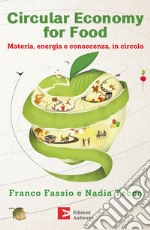
Circular Economy for Food: Materia, energia e conoscenza, in circolo. E-book. Formato PDF Franco Fassio - Edizioni Ambiente, 2024 -
Le modalità con cui abbiamo prodotto e consumato il cibo negli ultimi cinquant'anni hanno avuto degli impatti devastanti sugli ecosistemi e sulle società umane. Il settore agroindustriale ha infatti contribuito al superamento di 4 delle 9 soglie che determinano i limiti planetari – cambiamento climatico, perdita di biodiversità, alterazioni al ciclo dell'azoto e del fosforo, cambiamenti nell'utilizzo del suolo. Il consumo di cibi poco salubri sta causando problemi sanitari gravissimi, e mentre quasi un miliardo di persone non hanno da mangiare, buttiamo via quantità di cibo che basterebbero a nutrirle senza problemi. È evidente che il sistema attuale, basato su una logica rigidamente lineare, non funziona, e che il passaggio a un'economia circolare porterebbe enormi vantaggi all'ambiente e ai consumatori. Una logica che può essere in parte ricondotta al sapere e alle tradizioni della civiltà contadina, in cui tutto veniva riutilizzato, e che potrebbe favorire la presa di coscienza delle dinamiche e delle relazioni culturali sottese all'atto del mangiare, incentivando il food system a individuare un nuovo equilibrio. Circular Economy for Food fa il punto sulla trasformazione oggi in atto, e oltre ai contributi di alcuni dei più prestigiosi esperti italiani, presenta quaranta casi studio dedicati ad aziende del settore alimentare che hanno puntato sulla circolarità per aprire la strada a innovazioni capaci di ridurre gli scarti e migliorare l'ecoefficacia e l'efficienza di prodotti, servizi e processi nel food system.