
Dolly Connor eBooks
eBooks di Dolly Connor di Formato Mobipocket Storia dell’arte: stili artistici
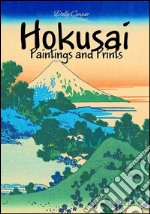
Hokusai: paintings and prints. E-book. Formato Mobipocket Dolly Connor - Dolly Connor, 2015 -
Katsushika Hokusai was a brilliant ukiyo-e painter and print maker, best known for his wood block print series Thirty-Six Views of Mount Fuji, which contain the prints The Great Wave and Fuji in Clear Weather. These prints are famous both in Japan and overseas, and have left a lasting image in the worldwide art world. Hokusai’s artistic influence has stretched to have affected the Art Nouveau style in Europe, including Claude Monet, Pierre-Auguste Renoir, and Hermann Obrist, all of whom have themes similar to Hokusai’s.
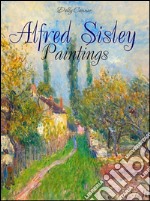
Alfred Sisley: paintings. E-book. Formato Mobipocket Dolly Connor - Dolly Connor, 2015 -
Alfred Sisley was French impressionist landscape painter, born in Paris to English parents. He was a founding member of the Impressionist group. Sisley produced some 900 oil paintings, about 100 pastels and many other drawings, although he only lived to be 59 years old. He never turn aside into figure painting and, unlike Renoir and Pissarro, never found that Impressionism did not fulfill his artistic needs. Among the Impressionists Sisley has been overshadowed by Monet, although his work most resembles that of Camille Pissarro. Influenced by his friends Renoir and Monet in his selection of colors, Sisley was less daring than Monet in his use of the "rainbow palette" and closer to the Barbizon School tradition.
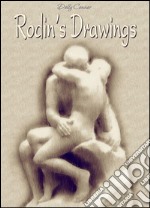
Rodin's drawings. E-book. Formato Mobipocket Dolly Connor - Dolly Connor, 2015 -
Sketcher, painter, engraver, sculptor and collector, Auguste Rodin is recognized worldwide for the exceptional authenticity of his anatomical sculptures. He strongly influenced twentieth century sculpture by his assemblage techniques and prepared the way for symbolism by adopting literary and mythological themes. Drawing was his means of discovering "truth" in life and in art: "good" drawing represented truth and simplicity in nature; 'bad" drawing was self-conscious, mannered in its representation, and often displayed an ignorance of nature or inexact observation with attempts to mask it with artifice. Rodin was a prolific draughtsman, producing some 10,000 drawings. Although the works on paper can only be shown periodically, owing to their fragility, the role they played in Rodin’s art was by no means minor. As the sculptor said at the end of his life: “It's very simple. My drawings are the key to my work.”