
Ezio Zanini eBooks
eBooks di Ezio Zanini di Formato Mobipocket
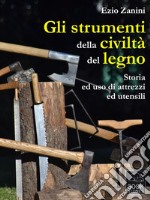
Gli strumenti della civiltà del legno. Storia ed uso di attrezzi ed utensili. E-book. Formato Mobipocket Ezio Zanini - Bookstones Edizioni Soc. Coop. A R.L., 2018 -
Per quanto concerne le operazioni di trasformazione del legno, il generico utilizzo di un unico attrezzo arcaico è condizione assolutamente insufficiente per poter dichiarare di rappresentare in maniera adeguata e compiuta lo strumentario delle maestranze artigiane di una qualunque epoca passata.Gli utensili d’un tempo hanno avuto una precisa evoluzione, così come le tecniche di lavorazione e gli scopi per i quali sono stati concepiti.L’autore non solo ripercorre la storia dei principali attrezzi utilizzati dai falegnami, ma illustra anche in ogni dettaglio le funzioni alle quali essi erano preposti, alla luce delle fonti pervenute.Si tratta, da un lato, di una guida utile a comprendere meglio quale fosse la configurazione di una ipotetica falegnameria nei diversi periodi storici; dall’altro, può essere considerato come un prontuario illustrato, destinato principalmente al Rievocatore Storico e a tutti coloro che volessero intraprendere progetti di lavorazione artigianale del legno senza ricorrere a espedienti moderni, restando fedeli all’originario modus operandi dei nostri progenitori.As for the wood transformation processes, the generic use of a single archaic device is a totally insufficient requirement when you claim to be displaying the artisan tool kit of any past era in an adequate and complete manner.Bygone tools underwent a precise development, as well as the handcraft techniques and the purposes for which they were designed.The author not only retraces the history of the main tools used by carpenters, but also describes in detail the tasks they were meant to perform, in the light of the available sources.This is, first of all, a useful guide to better understand the setup of a hypothetical joiner’s workshop through the ages; besides, it can also be considered as an illustrated handbook, primarily addressed to the historical Re-enactors as well as to anybody willing to undertake woodworking projects without drawing upon modern devices, just sticking to the genuine modus operandi of our ancestors.L'autoreEzio Zanini, dopo i primi successi, ottenuti grazie ad esperienze artistiche nel mondo dell'arte contemporanea, si appassiona ad attività manuali tradizionali. Ha condotto lavori nel campo del restauro, della decorazione su legno e dell'arredamento classico, cogliendo l'occasione di confrontarsi con l'esperienza tramandata dai mastri artigiani per approfondire tecniche di lavoro e utilizzo delle varie essenze. Da diversi anni, è impegnato a riscoprire e riproporre antiche tecniche di falegnameria, intaglio e finitura del legno, mantenendo vivo l'utilizzo di attrezzi tradizionali, per realizzare manufatti e repliche destinati a vari mercati di nicchia.

L'arte del legno tra Medioevo e RinascimentoTecniche e segreti nelle botteghe dei falegnami. E-book. Formato Mobipocket Ezio Zanini - Bookstones Edizioni Soc. Coop. A R.L., 2015 -
Tra XIII e XV secolo in Italia si verificò l’ascesa delle corporazioni di mestiere, le quali si dotarono di precisi statuti scritti. Quella dei falegnami non fece eccezione.Influenzati dalla committenza, essi abbandonarono progressivamente la creazione di arredi polifunzionali, progettandoli per mansioni sempre più specialistiche: nacquero così i mobili moderni, specchio dell’emergente società borghese e legati, pertanto, al susseguirsi di stili e mode.L’evoluzione di tali scenari affianca la storia della tecnologia del legno, che vide mutare i processi di lavorazione sviluppati in quegli anni, per adeguarsi alle nuove esigenze del mercato; alcune innovazioni, ben documentabili nei dettagli, furono al contempo rivoluzionarie e risolutive.Interpretando reperti, iconografie e manufatti lignei dell’epoca, nel testo vengono ripercorsi, a supporto del ricostruttore storico, i vari schemi concettuali e le tecniche artigianali che hanno consentito ai maestri delle botteghe, tra Medioevo e Rinascimento, di realizzare vere e proprie opere d’arte.Between the 13th and the 15th centuries, the Italian towns witnessed the rise of craft-guilds, which soon provided themselves with specific written statutes. The Woodworkers' Guild was no exception. Directly influenced by their customers, they gradually quit creating multi-purpose furnishings and started to design them for more and more specialized tasks; thus the modern furniture came to light, sort of a mirror of the new bourgeois society, strictly affected by the style and trend of the moment. The evolution of such a scenario went at the same pace of the wood technology, as also the heritage of work processes was soon forced to change, in order to adapt to the refined needs of the market. Some innovations, well traceable in details, proved to be revolutionary and decisive at the same time. By interpreting artefacts, iconography and genuine wooden relics, the author aims at supporting re-enactors, going over a number of conceptual patterns and handcraft techniques, the very same employed by Medieval and Renaissance joinery masters who gave birth to true masterpieces.L'autoreEzio Zanini, dopo i primi successi, ottenuti grazie ad esperienze artistiche nel mondo dell'arte contemporanea, si appassiona ad attività manuali tradizionali.Ha condotto lavori nel campo del restauro, della decorazione su legno e dell'arredamento classico, cogliendo l'occasione di confrontarsi con l'esperienza tramandata dai mastri artigiani per approfondire tecniche di lavoro e utilizzo delle varie essenze. Da diversi anni, è impegnato a riscoprire e riproporre antiche tecniche di falegnameria, intaglio e finitura del legno, mantenendo vivo l'utilizzo di attrezzi tradizionali, per realizzare manufatti e repliche destinati a vari mercati di nicchia.

La preziosa concessioneDa boschi e foreste le materie prime necessarie allo sviluppo urbano medievale. E-book. Formato Mobipocket Ezio Zanini - Bookstones Edizioni Soc. Coop. A R.L., 2014 -
Il saggio descrive le tecniche e i materiali legati alle attività economiche svolte nei boschi medievali, con particolare attenzione a quelle conoscenze che per secoli sono state fondamentali nel reperimento del legno da costruzione. Un argomento spesso sottovalutato ma tutt'altro che marginale o economicamente di ripiego. Lo testimoniano i numerosi traffici commerciali che già a partire dal XIII secolo, coinvolsero le vie fluviali che dai territori alpini scendevano verso la Pianura Padana, mettendo in luce una realtà ben organizzata e capace di soddisfare un vasto territorio.Con il progressivo aumento della domanda, l'uomo seppe via via rispondere con caparbietà ed ingegno ai problemi di lavorazione, di stoccaggio e di trasporto di enormi quantità di tronchi, diventando protagonista di un'avventura che, coniugando antiche tradizioni con nuove tecnologie, ha il sapore di un'autentica conquista di frontiera.The Valuable Concession deals with techniques and materials related to the economic activities performed in the medieval woods focusing on that knowledge – of basic importance for centuries – of how to source wood for construction purposes.Although the harvest and transportation of timber were necessary for the development of urban areas in the Middle Ages, they are often underrated topics, due to the misleading perception that these were either marginal activities or part of a makeshift economy.This opinion can be easily refuted by the huge amount of trading involving, as early as the 13th century, the waterways flowing from the Alps to the Pianura Padana area.This trading demonstrates the existence of a well organised reality able to systematically satisfy the need for raw material throughout a vast territory.As the need for big trunks increased, man stubbornly and cleverly knew how to solve problems connected to the processing, transportation and storage of wood.Lumberjacks and conveyors held a leading role in an adventure in which they combined ancient and well-established traditions with new perspectives and technologies, evoking the history of a challenge eventually won thanks to exertion and hard work, tasting like a true frontier conquest.This is the first of a series of books about the history of woodworking.Since the cutting of tall-trunk trees was a main activity, the author starts from the analysis of ancient symbolism related to woodworking, then proceeds to examine all the different economic activities performed in forests and uncultivated lands in the Middle Ages; finally, he describes techniques and methods used by medieval loggers and lumberjacks analyzing the devices actuated for transporting trunks from woods to the town where they were used.L'autoreEzio Zanini, dopo i primi successi, ottenuti grazie ad esperienze artistiche nel mondo dell'arte contemporanea, si appassiona ad attività manuali tradizionali.Ha condotto lavori nel campo del restauro, della decorazione su legno e dell'arredamento classico, cogliendo l'occasione di confrontarsi con l'esperienza tramandata dai mastri artigiani per approfondire tecniche di lavoro e utilizzo delle varie essenze. Da diversi anni, è impegnato a riscoprire e riproporre antiche tecniche di falegnameria, intaglio e finitura del legno, mantenendo vivo l'utilizzo di attrezzi tradizionali, per realizzare manufatti e repliche destinati a vari mercati di nicchia.