
Edusc eBooks
eBooks editi da Edusc con argomento Roma di Formato Pdf
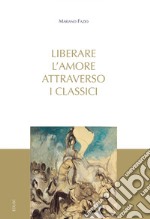
Liberare l'amore attraverso i classici. E-book. Formato PDF Mariano Fazio - Edusc, 2022 -
Si è scritto molto sulla libertà, da parecchi secoli e spesso con acume. Questo libro vuole dimostrare che la libertà tende all’amore, e che questa verità riveste un’importanza enorme nella vita di ogni uomo. Siamo stati creati liberi per amare e, quando non raggiungiamo questo fine proprio della libertà, ci troviamo di fronte a un fallimento esistenziale. Tutti desideriamo una vita piena, felice, realizzata. Il criterio per raggiungerla risiede nel fare tutto liberamente e per amore. La tesi è molto semplice, come lo sono tutte le grandi verità. Metterla in pratica è assai più complicato. Nel pensiero contemporaneo sovrabbondano concezioni della libertà lontane da questa, dove essa è concepita come una mera capacità di scelta tra diverse possibilità, o come prerogativa dell’individuo di fare ciò che vuole senza altro criterio che i suoi desideri e i suoi capricci. Molte volte si contrappone la libertà all’impegno, al dovere, all’obbedienza e all’osservanza di alcune norme di condotta. Scopo di queste pagine è incoraggiare il lettore a un concetto più alto di libertà. In questo sforzo di raggiungere un concetto più elevato di libertà, ci vengono in aiuto i classici della letteratura universale: essi descrivono in maniera plastica il cammino della libertà umana verso l’amore, quel processo di liberazione dell’amore che è stato seminato nel cuore dell’uomo. I classici sono lì a ricordarci una serie di valori a cui l’umanità ha aspirato fin dal principio, e che meritano di essere salvaguardati e custoditi. Parlano di cose che penetrano nel cuore dell’uomo e lo commuovono. Un classico è un libro che, benché sia stato scritto secoli fa, ha ancora qualcosa da dirci. E può farlo perché ci parla di cose come la verità, la bellezza, il bene e l’amore, ovvero quelle categorie esistenziali che ci riguardano più da vicino. I classici possono condurci a intravedere la verità, a provare il desiderio di esercitare la virtù, ad apprezzare quella bellezza che ci riempie l’anima. Sono in grado di trasformare la vita dei lettori, schiudendo insospettati orizzonti di amore e di libertà. Mariano Fazio (Buenos Aires, 1960) è storico e filosofo. È stato Rettore Magnifico della Pontificia Università della Santa Croce e Presidente della Conferenza dei Rettori delle Università Pontificie Romane (2002-2008). Attualmente è il Vicario Ausiliare della Prelatura dell’Opus Dei. Autore di più di venti libri di filosofia e di storia, tradotti in diverse lingue. Tra i libri pubblicati in italiano, citiamo: Introduzione alla storia della filosofia moderna (in collaborazione con Daniel Gamarra, Roma 1994); Due Rivoluzionari. Francisco de Vitoria e Jean-Jacques Rousseau (Roma 1998); Un sentiero nel bosco. Guida alla lettura di Kierkegaard (Roma 2000); Cristianesimo e laicità. Il pensiero cristiano del ‘900 nel periodo tra le due guerre (Soveria Manelli 2008); Con Papa Francesco. Le chiavi del suo pensiero (Milano 2013); Storia delle idee contemporanee (Roma 2016. III edizione); San Josemaría Escrivá. L’ultimo dei romantici (Milano 2019); Cambiare il mondo dal di dentro. La sfida dei cristiani oggi (Milano 2021).
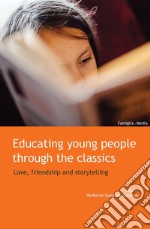
Educating Young People through the Classics: Love, Friendship and Storytelling. E-book. Formato PDF Noberto González Gaitano - Edusc, 2020 -
What films and TV series do young people enjoy most? What books do they read most? Do they prefer novels based on the ever-changing preferences of mainstream critics, or do they prefer classic masterpieces that have survived the test of time? How are young people’s views on love and friendship influenced by novels, movies, and television series? Are there significant differences in their choices due to cultural and linguistic traditions? A sample of 3,694 people between 18 and 29 years old was selected and interviewed to answer these questions in May-June 2018 in nine western countries: Argentina, Colombia, France, Germany, Italy, Mexico, Spain, the UK, and the USA. The Spanish pollster GAD 3 has carried out the survey under the direction of the Family and Media Center and with the financial support of the Elina Gianoli Gainza Chair of Family and Media Studies at the Pontifical University of the Holy Cross (Pontificia Università della Santa Croce, Rome). This book is hinged to the awareness that the West is in the midst of an epochal educational crisis, and the project is strengthened by the belief, which is shared by its promoters, that one of the ways out of the crisis is the recovery of narrative intelligence. Besides the presentation of the multinational survey results, the book offers a reflection on six great works of literature – later adapted to the big screen – that have addressed these universal themes in different times, in order to cultivate an appreciation of great stories and promote an educational culture concerned with the development of thought and the ability to critically analyze. Their authors share a strong educational sensitivity and experience in education and bring together their diverse media expertise. The authors and works mentioned are: Alessandro d’Avenia (The Odyssey by Homer, The Divine Comedy by Dante, and Crime and Punishment by Fyodor Dostoyevsky); Natalia Sanmartín Fenollera (Pride and Prejudice by Jane Austen); Armando Fumagalli (Anna Karenina by Lev Tolstoj); Travis Curtright (Much Ado about Nothing by William Shakespeare); Antonio Malo (Somerset Maugham’s The Painted Veil); and Andrea Monda (J.R.R. Tolkien’s The Lord of the Rings). Norberto González Gaitano (Alcaraz, Spain) is a professor of public opinion at the School of Church Communications at the Pontifical University of the Holy Cross (Rome) and is the author of a number of books and scholarly articles. Formerly a professor of ethics of communication at the University of La Laguna (1990-1996) and at the University of Navarra (1981-1991), both located in Spain, he has also been a visiting research scholar at the University of Chicago (2008-2009) and the Catholic University of America (Washington, 1995). He has been a Consultant to the Pontifical Council for Social Communications. Norberto González Gaitano is currently the Director of the Center for Family and Media Studies at the Pontifical University of the Holy Cross (Pontificia Università della Santa Croce, Rome).