
Il Prato eBooks
eBooks editi da Il Prato con argomento Arte di Formato Mobipocket
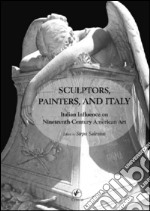
Sculptors, Painters, and Italy: Italian influente on Ninetenth American Art. E-book. Formato Mobipocket Sirpa Salenius - Il Prato, 2011 -
The essays in Sculptors, Painters, and Italy: Italian Influence on Nineteenth-Century American Art examine the influence of Italy in the works of nineteenth-century American sculptors and painters. The focus is on their experience in Italy, their relationship with local workmen, their contact with Italian artists such as the Tuscan Macchiaioli, and the impact of their Italian experience on the formation of American art. The papers in the volume discuss such artists as Horatio Greenough, Thomas Cole, Hiram Powers, Henry Kirke Brown, Elihu Vedder, Edmonia Lewis, and John Singer Sargent. The essays are written by scholars from American universities and museums, and they appear in the following order: Elise Madeleine Ciregna, “’An Example in the Right Direction’: Horatio Greenough’s Life and Work in Italy”; John F. McGuigan Jr, “’A Painter’s Paradise’: Thomas Cole and His Transformative Experience in Florence, 1831-1832”; Rebecca Reynolds, “’No Ordinary Hands’: Hiram Powers’ Artistic and Professionally Related Family”; Karen Lemmey, “’I would just as soon be in Albany as Florence,’ Henry Kirke Brown and the American Expatriate Colonies in Italy, 1842-1846”; Mary K. McGuigan, “A Garden of Lost Opportunities: Elihu Vedder in Florence, 1857-1860”, Marilyn Richardson, “Friends and Colleagues: Edmonia Lewis and Her Italian Circle”; and Kathleen Lawrence, “John Singer Sargent, Italy, and the American Paradox.”
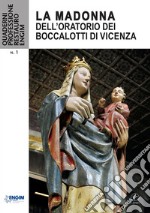
La Madonna dell'oratorio dei Boccalotti di Vicenza. E-book. Formato Mobipocket Renzo Fontana - Il Prato, 2017 -
Oggetto di questo primo numero della rivista è il gruppo scultoreo quattrocentesco della Madonna dei Boccalotti, conservato nell’Oratorio di Santa Maria dei Battuti a Vicenza e al centro di un accurato restauro che ne ha restituito le originarie sorprendenti qualità cromatiche e ornamentali. Ne danno conto i docenti/restauratori dell’Engim: Barbara D’Incau, Serena Franceschi, Adelmo Lazzari, Francesco Rizzi, Alessandra Sella, operosi insieme ai loro allievi. La restituzione del complesso scultoreo alle sue primitive condizioni ha consentito agli storici dell’arte Chiara Rigoni e Massimo Negri un riesame critico dell’opera, meglio collocabile ora nel panorama della produzione plastica veneta d’inizio Quattrocento, con caratteri di transizione che, muovendo da una cultura locale ancora trecentesca, si aprono alle novità internazionali del tardo-gotico. Giovanna Dalla Pozza ha allargato la panoramica storica all’Oratorio che ospita le sculture e all’apparato decorativo che l’ha nei secoli arricchito.