
Olschki Editore eBooks
eBooks editi da Olschki Editore con argomento Letteratura
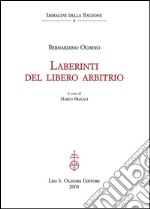
Laberinti del libero arbitrio.: A cura di Marco Bracali.. E-book. Formato PDF Bernardino Ochino - Olschki Editore, 2016 -
I «Laberinti» di B. Ochino (Basilea, 1561) costituiscono un importante tentativo di conciliare dottrina predestinazionista e istanze di equità maturate nella riflessione di molti «eretici» italiani esuli in Svizzera. Al di là delle polemiche che oppongono Ochino tanto ai Cattolici quanto ai Calvinisti, ci troviamo di fronte a uno dei testi più importanti della riflessione religiosa del ’500. ----- Bernardino Ochino’s «Laberinti del libero arbitrio» (Basle, 1561) are one of the fundamental religious texts of the sixteenth century, an attempt to reconcile predestinationist doctrines with some of the more rational ideas developed by many Italian ‘heretics’ who had found refuge in Switzerland. In this re-examination of the «Laberinti» the editor stresses the polemical and theological structure of the text rather than its mystical aspects. He also considers the development of Ochino’s ethics by comparing the statements found in the «Laberinti» with those made in the author’s other works.
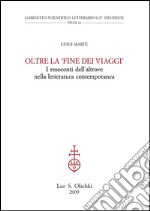
Oltre la 'fine dei viaggi'. I resoconti dell'altrove nella letteratura contemporanea.I resoconti dell'altrove nella letteratura contemporanea. E-book. Formato PDF Luigi Marfè - Olschki Editore, 2016 -
In un mondo caratterizzato dal movimento sfrenato, quanti sono quelli che oggi viaggiano davvero? È giunto il tempo profetizzato da Lévi-Strauss in cui i viaggi non apriranno più i loro scrigni? Partendo da queste domande, il volume delinea una tipologia delle strategie impiegate dagli scrittori europei del secondo Novecento per ritrovare la saggezza del lontano descritta da Benjamin e trasformare la letteratura nello spazio ideale in cui riscrivere l’incontro tra le culture. ----- In a world characterized by unrestrained movement, how many people really travel today? Has the time come, as foreseen by Lévi-Strauss, when journeys no longer reveal their treasures? Starting from these questions, the volume delineates a typology of strategies used by European writers of the second half of the twentieth century to regain the wisdom of faraway places described by Benjamin and turn literature into the ideal space where the meeting between cultures can be rewritten.