
Libri di narrativa classica prima del 1945
Opere di narrativa classica antecedenti al 1945

The valley of decision. E-book. Formato Mobipocket Edith Wharton - Arcadia Press, 2016 -
Wharton combined her insider's view of America's privileged classes with a brilliant, natural wit to write humorous, incisive novels and short stories of social and psychological insight. Wharton's first full-length novel, The Valley of Decision, is set in eighteenth-century Italy. Here Wharton pits folks inspired by the antireligious thoughts of Rousseau and Voltaire against the orthodox leaders of the day. Soon enough Wharton's night-constant theme comes through: this, like most other violations of personal convention, will come at a terrible cost.
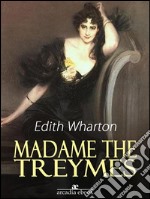
Madame de Treymes. E-book. Formato Mobipocket Edith Wharton - Arcadia Press, 2016 -
Edith Wharton's "Madame de Treymes" is a remarkable example of the form. It is the story of the tactical defeat but moral victory of an honest and upstanding American in his struggle to win a wife from a tightly united but feudally minded French aristocratic family.He loses, but they cheat. ... In a masterpiece of brevity, Wharton dramatizes the contrast between the two opposing forces: the simple and proper old brownstone New York, low in style but high in principle, and the achingly beautiful but decadent Saint-Germain district of Paris.
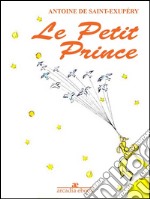
Le petit prince. E-book. Formato Mobipocket Antoine De Saint-Exupe´Ry - Arcadia Press, 2015 -
Le Petit Prince est l'œuvre la plus connue d'Antoine de Saint-Exupéry. Publié en 1943 à New York simultanément en anglais et en français, c'est un conte poétique et philosophique sous l'apparence d'un conte pour enfants.Le langage, simple et dépouillé, parce qu'il est destiné à être compris par des enfants, est en réalité pour le narrateur le véhicule privilégié d'une conception symbolique de la vie. Chaque chapitre relate une rencontre du petit prince qui laisse celui-ci perplexe quant au comportement absurde des «grandes personnes». Chacune de ces rencontres peut être lue comme une allégorie.Les aquarelles font partie du texte et participent à cette pureté du langage: dépouillement et profondeur sont les qualités maîtresses de l'œuvre.On peut y lire une invitation de l'auteur à retrouver l'enfant en soi, car «toutes les grandes personnes ont d'abord été des enfants. (Mais peu d'entre elles s'en souviennent.)». L'ouvrage est dédié à Léon Werth, mais «quand il était petit garçon».