
Gangemi Editore eBooks
eBooks editi da Gangemi Editore di Formato Epub Design tessile e della moda
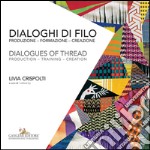
Dialoghi di filo / Dialogues of thread: Produzione – formazione – creazione / Production – training – creation. E-book. Formato EPUB Aa. Vv. - Gangemi Editore, 2016 -
Collana QUADERNI DI CULTURA TESSILE diretta da Livia Crispolti Dialoghi di filo propone un esempio concreto di modalità operativa nel campo del tessile, valorizzando le proficue connessioni esistenti tra il settore dell’Alta Formazione Artistica, le realtà produttive italiane e il mondo delle creazioni artistiche, settori che contraddistinguono la produzione Made in Italy. Dialoghi di filo documenta la mostra curata da Livia Crispolti a Palazzo Morando dal 24 giugno al 27 novembre 2016, promossa nell’ambito di EXPO IN CITTÀ dal Comune di Milano | Cultura Servizio Musei Storici e organizzata dall’Archivio Crispolti Arte Contemporanea Roma in collaborazione con l’Accademia di Belle Arti di Brera Milano. Dialoghi di filo presenta i lavori tessili realizzati dagli studenti durante il corso di Cultura Tessile, tenuto da Livia Crispolti, presso l’Accademia di Belle Arti di Brera di Milano, assieme a ricostruzioni di abiti storici, di Maria Antonietta Tovini, e opere di Elisabetta Catamo. Tre ambiti operativi che in modo diverso utilizzano il materiale messo a disposizione da tre aziende protagoniste nel settore tessile – Alcantara®, Dedar e Dreamlux®. Dialogues of thread offers a concrete example of operational procedures in the field of textile, turning to account the numerous connections that exist between high teaching qualifications, the reality of the productivity in Italy, and the world of artistic creativity; all these being the distinguishing traits of the “Made in Italy“. Dialogues of thread exhibition curated by Livia Crispolti, at Palazzo Morando, from 24th of June to 27th of November 2016 and promoted within the EXPO IN THE CITY project of the Milan Council for Culture, by the Historical Museum Service and the Crispolti Contemporary Art Archives Rome in collaboration with the Brera Academy of Fine Arts. Dialogues of thread presents the textile work by the students during the course of Textile Culture, held by Livia Crispolti, at the Brera Academy of Fine Arts in Milan, together with the reconstruction of historical dresses designed by Maria Antonietta Tovini, and the art works by Elisabetta Catamo. Three separate spheres making a different use of the fabrics put at their disposal by the three leading textile firms – Alcantara®, Dedar and Dreamlux®.
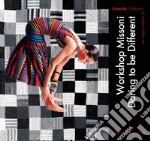
Workshop Missoni. Daring to be Different: Exhibition catalogue Estorick Collection of Modern Italian Art (London). E-book. Formato EPUB Paola Noè - Gangemi Editore, 2016 -
The seed of this exhibition was planted over two years ago when Maggie Norden of the London College of Fashion brought to the museum a selection of photographs illustrating her work in progress for the film The Black and White of Colour, which accompanies this exhibition. We could immediately see that the fit between the designs of Missoni and the works in our collection was perfect. Many meetings later, the exhibition started to take shape. It was always important for the Estorick Collection not only to show the beautiful clothes and designs produced by Missoni over their fifty-year career, but also to make our public aware of the close connection between art and the Missonis' idea of fashion. The link with Futurism is especially strong, not only in terms of the celebratory use of colour and a dynamic, geometric vocabulary, but through the shared belief that applied art can be just as effective a medium for the creative impulse as painting or sculpture. (Roberta Cremoncini, Director Estorick Collection) Catalogue edited by Paola Noè.
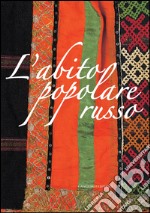
L'abito popolare russo. E-book. Formato EPUB Aa. Vv. - Gangemi Editore, 2015 -
L'esposizione e il volume dal titolo "L'abito popolare russo", nell'ambito dei quali sono presentati cinquanta costumi maschili, femminili e infantili, appartenenti alle collezioni del Museo Etnografico Russo di San Pietroburgo e provenienti da quattro aree geografiche della Russia ottocentesca, intendono illustrare l'evoluzione del costume russo nel periodo compreso tra la fine del XVIII secolo e l'inizio del XX secolo.