
Harmakis Edizioni eBooks
eBooks editi da Harmakis Edizioni di Formato Mobipocket Bibbia
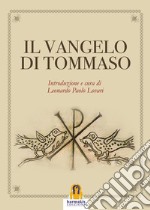
Il Vangelo di Tommaso. E-book. Formato Mobipocket Didimo Giuda Tommaso - Harmakis Edizioni, 2017 -
Il Vangelo di Tommaso è un vangelo apocrifo che raccoglie 114 detti di Gesù. La sua data di composizione è dibattuta tra gli studiosi: alcuni lo ritengono contemporaneo dei vangeli sinottici, se non addirittura antecedente a questi, la cui datazione non è posteriore alla fine del I secolo; ma la maggioranza degli studiosi ritiene che sia successivo, in quanto mostrerebbe una dipendenza parziale dai vangeli canonici, e lo datano alla metà del II secolo, nel 140. L’attribuzione del vangelo è all’apostolo “Didimo Giuda Tommaso” (sia “Didimo” che “Tommaso” significano “gemello”, rispettivamente in greco e in aramaico). La visione che emerge dal Vangelo secondo Tommaso è che il Regno di Dio sia già presente sulla Terra e che la luce divina, presente all’interno di tutti gli uomini, può permettere loro di vedere il Regno ed entrarvi. Il testo completo del vangelo è conservato presso il museo copto del Cairo, in un manoscritto papiraceo in lingua copta scoperto nel 1945 a Nag Hammadi, in Egitto; tale codice, legato con un metodo ora noto come legatura copta, risale al 340 circa.
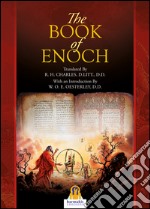
The book of Enoch. E-book. Formato Mobipocket A.A. V.V - Harmakis Edizioni, 2016 -
The Book of Enoch is an apocryphal text of Jewish origin whose definitive version dates back to the first century BC, reached today in full in a version in language Ge'ez (ancient Ethiopian language), hence the name Ethiopian Enoch. The first book of Enoch is an Old Testament apocrypha, not included in the Hebrew Bible, it is not part of the Bible in greek called the LXX (Septuagint) and is not part of, at least today, even in the Christian Bible. Jewish historians Flavius Josephus and Philo of Alexandria does not mention him among the canonical books of Judaism in the first century AD, although we know that in the past was often used in the Jewish world and even the early fathers of the Christian Church, there are indeed some similarities between steps and idioms characteristic of the New Testament, and this book. In medieval times they are lost mysteriously traces except for a few rare quote, like those of Syncellus and Cedrenus of the ninth century it was no longer used, and 1 Enoch remained an unknown and mysterious text up to '700. Tradition says the patriarch Enoch author of well three hundred sixty-six books. The most famous are the first book of Enoch, the second book of Enoch (also called Book of Secrets of Enoch) and the third book of Enoch (Enoch or the Apocalypse). According to historians these books do not actually contain words attributed directly to the ancient biblical patriarch described in Genesis because he would theoretically lived a few thousand years before it appeared in the books attributed to him. For that 1 Enoch it is also defined pseudoepigraph, or a writing attributed to an ancient patriarch with a literary device to confer an aura of authenticity and authority contained. Enoch means in Hebrew "the initiate." According to the book of Enoch Genesis is a descendant of Seth, the third son of Adam and Eve born after the murder of Abel. Not to be confused with the son of Cain, also named Enoch.