
Harmakis Edizioni eBooks
eBooks editi da Harmakis Edizioni di Formato Mobipocket Altre religioni non cristiane
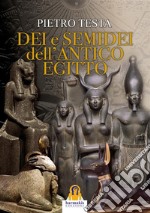
Dei e Semidei dell'Antico Egitto. E-book. Formato Mobipocket Pietro Testa - Harmakis Edizioni, 2018 -
L'antico Egitto ha lasciato segni tangibili e incisivi della sua religione attraverso i monumenti e gli scritti. I templi abbondano d'immagini a bassorilievo e a tutto tondo, dipinte con vivaci colori, complete di didascalie e iscrizioni. Le tombe regali e nobiliari non sono da meno e sono queste che ci hanno tramandato figure e testi di grande finezza artigianale. Gli scritti funerari e magici sono degli esempi unici di miniaturistica grafica delle entità divine e di descrizioni dell'aldilà. Dall'osservazione di queste testimonianze, emerge un numero infinito di divinità, principali, secondarie, demoni e semidei. Questa folla di entità antropomorfe, ma spesso zoomorfe o miscuglio di varie parti umane e animali, lasciò disorientati i primi egittologi, dando origine a una congerie d'ipotesi, interpretazioni alcune volte distorte, e duelli letterari di vario genere.
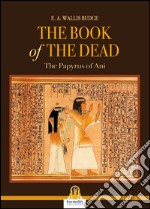
The book of the deadThe Papyrus of Ani. E-book. Formato Mobipocket E.A. Wallis Budge - Harmakis Edizioni, 2016 -
The Egyptian Book of the Dead is a sacred text. It consists of a collection of magical and religious formulas that were to serve the deceased to protect him and help him on his journey to the afterlife, which was thought fraught with pitfalls and difficulties. Called by the ancient Egyptians book back in the day, the Book of the Dead is basically a collection of sayings, epitaphs, formulas that date back to the ancient sarcophagi Texts, which in turn dates back to the Pyramid Texts. Prior used for the "common" graves, if they are extensive excerpts in the antechambers of many tombs of the Valley of the Kings of the Ramesside period. It is, generally, of formulas and stories focused on the nocturnal journey of the sun god (in its various manifestations) and his struggle with the forces of evil (including the snake Apophis) that attempt, at night, to stop him for not doing resurrect in the morning. In particular, the text was intended to prepare the testimony about the conduct of life, that the deceased had to provide before the judgment of Osiris. The papyrus was then placed in the grave, or sometimes directly in the sarcophagus, along with treasures and ornaments deemed necessary for the soul on the road. Initially the texts were plotted on the walls of the burial chamber. In the Middle Kingdom he was used to paint the formulas on the sarcophagus, and only from the XVIII dynasty took the papyrus. In this way came Egyptologists countless testimonies about the mummification practices and the cult of the dead in general of many dynasties.