
Lvl Editions eBooks
eBooks editi da Lvl Editions di Formato Epub Saggistica
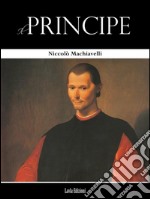
Il principe. E-book. Formato EPUB Niccolò Machiavelli - Lvl Editions, 2016 -
Per raggiungere il fine di conservare e potenziare lo Stato, viene popolarmente e speculativamente attribuita a Machiavelli la massima "il fine giustifica i mezzi" secondo la quale qualsiasi azione del Principe sarebbe giustificata, anche se in contrasto con le leggi della morale. Questa attribuzione, è perlomeno dubbia dato che non trova riscontro nel Principe e nemmeno in altre opere dell'autore e dato che, in merito a questa questione, vi sono elementi contraddittori all'interno dell'opera. Tale aforisma potrebbe, forzandone l'interpretazione, essere dedotto in questo passaggio: « ... e nelle azioni di tutti li uomini, e massime de’ principi, dove non è iudizio da reclamare, si guarda al fine. Facci dunque uno principe di vincere e mantenere lo stato: e mezzi saranno sempre iudicati onorevoli e da ciascuno lodati. » (N. Machiavelli, Il Principe, cap. XVIII) Pur non essendo letteralmente uguale a quella che conosciamo, il senso è evidentemente molto simile alla sua forma popolare. Il punto è che nel testo del Principe la frase è riferita espressamente ad azioni legate alla ragion di stato, dunque generalizzarla a qualunque fine, il più onesto ma anche il più immondo, è una deformazione piuttosto grossolana e fuorviante. Machiavelli in un altro passaggio, sempre in riferimento al Principe, spiega che cosa sia la pazzia, contraddicendo in parte quanto detto sopra: « perché un principe che può fare quello che vuole è un pazzo; un popolo che può fare ciò che vuole non è savio. » (N. Machiavelli, Opere complete, Alcide Parenti, Editore-Libraio, Firenze, 1843, cit., p. 313) Perciò è pazzo colui che crede di poter dire e di poter fare quello che vuole. In altre parole è pazzo colui che pensa che il fine giustifichi i mezzi. In Machiavelli, la salvezza dello Stato è necessaria e deve venire prima delle personali convinzioni etiche del Principe, poiché egli non è il padrone, bensì il servitore dello Stato.

The prince. E-book. Formato EPUB Nicolo Machiavelli - Lvl Editions, 2016 -
The Prince is a 16th-century political treatise by the Italian diplomat and political theorist Niccolò Machiavelli. From correspondence a version appears to have been distributed in 1513, using a Latin title, De Principatibus (About Principalities). However, the printed version was not published until 1532, five years after Machiavelli's death. This was done with the permission of the Medici pope Clement VII, but "long before then, in fact since the first appearance of The Prince in manuscript, controversy had swirled about his writings".Although it was written as if it were a traditional work in the mirrors for princes style, it is generally agreed that it was especially innovative. This is only partly because it was written in the vernacular Italian rather than Latin, a practice which had become increasingly popular since the publication of Dante's Divine Comedy and other works of Renaissance literature.The Prince is sometimes claimed to be one of the first works of modern philosophy, especially modern political philosophy, in which the effective truth is taken to be more important than any abstract ideal. It was also in direct conflict with the dominant Catholic and scholastic doctrines of the time concerning politics and ethics.Although it is relatively short, the treatise is the most remembered of Machiavelli's works and the one most responsible for bringing the word "Machiavellian" into usage as a pejorative. It even contributed to the modern negative connotations of the words "politics" and "politician" in western countries. In terms of subject matter it overlaps with the much longer Discourses on Livy, which was written a few years later. In its use of near-contemporary Italians as examples of people who perpetrated criminal deeds for politics, another lesser-known work by Machiavelli which The Prince has been compared to is the Life of Castruccio Castracani.The descriptions within The Prince have the general theme of accepting that the aims of princes—such as glory and survival—can justify the use of immoral means to achieve those ends:He who neglects what is done for what ought to be done, sooner effects his ruin than his preservation.