
Tektime eBooks
eBooks editi da Tektime con argomento Sindone
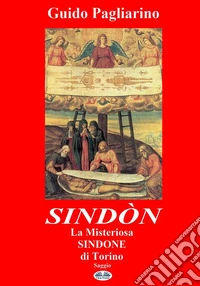
Sindòn La Misteriosa Sindone Di TorinoSaggio. E-book. Formato EPUB Guido Pagliarino - Tektime, 2019 -
Questo saggio divulga quanto la ricerca ha finora appurato sulla celebre Sindone di Torino, non ha il fine d’indurre a credere che il Lenzuolo di Torino abbia davvero avvolto il corpo di Cristo un paio di millenni fa. L’autore torna più volte sugli stessi argomenti, secondo prospettive diverse: il lettore non voglia considerare tali reiterazioni come pleonastiche e, men che mai, involontarie: l’opera comprende una parte introduttiva generale - in qualche punto, ritenendolo giovevole, di già con approfondimenti, come per le conclusioni mediche dell’anatomopatologo Pierluigi Baima Bollone - e una sezione, divisa in capitoli, con trattazione specifica di particolari argomenti toccati nella prima parte, ad esempio le fotografie sindoniche, e una cronologia.Saggio più volte riedito dall'autore con aggiornamenti. Esso non ha il fine d’indurre a credere che il Lenzuolo di Torino abbia davvero avvolto il corpo di Cristo un paio di millenni fa o, come comunemente si dice, ch’esso sia autentico. D’altronde, autenticità può significare anche altro, un conto è ritenere che la Sindone conservata a Torino sia il Telo che avvolse la salma di Cristo, un conto è semplicemente ipotizzarne l’anzianità bimillenaria; e se sul fatto che questo famoso Lenzuolo avesse avvolto Gesù non prendo posizione, ritengo che prevalgano le ragioni per pensare che sia antichissimo, essendo attualmente molti i dati a favore e solo due i contrastanti, di cui uno soltanto pare, e sempre di meno, oggettivamente considerabile: le prove di radiodatazione su campioni sindonici che fissarono l’anzianità del Lenzuolo all’epoca basso medievale; ma esse sono sempre più contestate scientificamente e non solo da studiosi cristiani. L’altro motivo d’avversione alla Sindone, peraltro fortissimo, è un preconcetto, tanto di laici anticlericali quanto di molti, forse della maggioranza, dei cristiani riformati, preclusione che porta i primi a ignorare l’argomento quando non a deriderlo e conduce fedeli protestanti a condannare la venerazione della Sindone la quale, pregiudizialmente, è per essi mera “icona” creata da mani d’uomo: accolgono la condanna veterotestamentaria del “farsi immagini”, nata storicamente in funzione anti idolatrica, sebbene i cattolici sostengano che il divieto vigesse solo prima che Dio s’incarnasse in Gesù mostrandosi al mondo come “immagine”, cioè come carnale figura umana, senz’alcuna possibilità d’equivocare con gl’idoli; ci sono peraltro cattolici negatori dell’autenticità, intesa nel senso che la Sindone sarebbe proprio quella che avvolse Gesù, e si trovano protestanti che ne suppongono l’autenticità, quanto meno nel secondo senso del termine quando non, addirittura, nel primo. In ogni caso, va ben sottolineato che la fede dei cristiani non si basa affatto sulla Sindone di Torino ma, storicamente, sulla testimonianza orale apostolica della risurrezione di Cristo raccolta entro il I secolo nei libri del Nuovo Testamento, giunta fino a noi perché conservata dalla Chiesa nei secoli, con controllo sistematico della corrispondenza delle nuove copie alle precedenti, iniziando dalle più vecchie. Con tale spirito si presenta questa seconda edizione del saggio di Guido Pagliarino sulla Sindone, realizzata considerando nuovi dati e sanando un paio di inesattezze del precedente libro, uscito anni fa e ormai fuori catalogo. Il saggio torna più volte sugli stessi argomenti, secondo prospettive diverse: il lettore non voglia considerare tali reiterazioni come pleonastiche e, men che mai, involontarie: l’opera comprende una parte introduttiva generale - in qualche punto, ritenendolo giovevole, di già con approfondimenti, come per le conclusioni mediche dell’anatomopatologo Pierluigi Baima Bollone - e una sezione, divisa in capitoli, con trattazione specifica di particolari argomenti toccati nella prima parte, ad esempio le fotografie sindoniche, e una cronologia.PUBLISHER: TEKTIME

Sindòn The Mysterious Shroud Of TurinEssay. E-book. Formato EPUB Guido Pagliarino - Tektime, 2020 -
This essay divulges what the research has established about the famous Shroud of Turin, and it is not intended to persuade to believe that the Cloth of Turin really wrapped the body of Christ a couple of thousands year ago.The author returns several times to certain subjects, according to different perspectives: the reader does not consider such reiterations as not necessary and involuntary: the work includes a general introductory part - at some point, considering it useful, already with in-depth studies, as for the medical conclusions of the anatomopathologist Pierluigi Baima Bollone - and a section, divided into chapters, specifically dealing with particular topics already covered in the first part, for example the photographs of the Shroud, and a chronology.This essay has been updated several times by the author.The essay is not intended to persuade to believe that the Sheet of Turin has really wrapped the body of Christ a couple of thousand years ago or, as commonly said, that it is authentic- On the other hand, authenticity can also mean something else, you can say the Shroud preserved in Turin is the Cloth that wrapped body of Christ, but it could be different than simply assume that an item is two thousand years old; and if I do not take a position on the fact that this famous Sheet wrapped Jesus, I suppose that the reasons for thinking that the Shroud is very ancient are prevailing, as there are currently lots of evidence to support it and only two against, of which only one seems objectively to be considered: the radiodating tests on Shroud samples which determined the age of the Sheet at lower medieval period; but they are increasingly disputed by Christian experts, scientifically and not only. The other reason against the Shroud is a prejudice, that comes both from anticlerical laityand from the majority of the Christians Reformed, preclusion that leads the first to ignore the theme, and sometime to mock it; and leads the Protestant believers to condemn the veneration of the Shroud, which they consider to be a mere ”symbol” created by human hands: they follow the Old Testament condemnation of ”make for yourself images”, historically born for anti-idolatrous reasons, although Catholics argue that the prohibition existed only before God was incarnated in Jesus, showing himself to the world as ”image”, that is as carnal human figure, without any possibility to be confused with graven images; there are, moreover, Catholics who deny authenticity, in the sense that the Shroud isn't precisely the one that wrapped Jesus , and you can find Protestants which assume it is authentic, at least in the second sense of the term or even in the first. In any case, it should be stressed that the Christian faith is not based on the Shroud of Turin but, historically, on the oral witness of the Apostles on Christ’s resurrection, gathered within the first century in the books of the New Testament and come down to us because it was preserved by the Church over the centuries, with systematic control of matching between the new copies and the previous ones, starting with the oldest.With this spirit comes the second edition of the essay of Guido Pagliarino on the Shroud, , carried out considering new data and correcting a couple of inaccuracies in the book released years agoThe author returns several times to certain subjects, according to different perspectives: the reader does not consider such reiterations as not necessary and involuntary: the work includes a general introductory part - at some point, considering it useful, already with in-depth studies, as for the medical conclusions of the anatomopathologist Pierluigi Baima Bollone - and a section, divided into chapters, specifically dealing with particular topics already covered in the first part, for example the photographs of the Shroud, and a chronology.PUBLISHER: TEKTIME